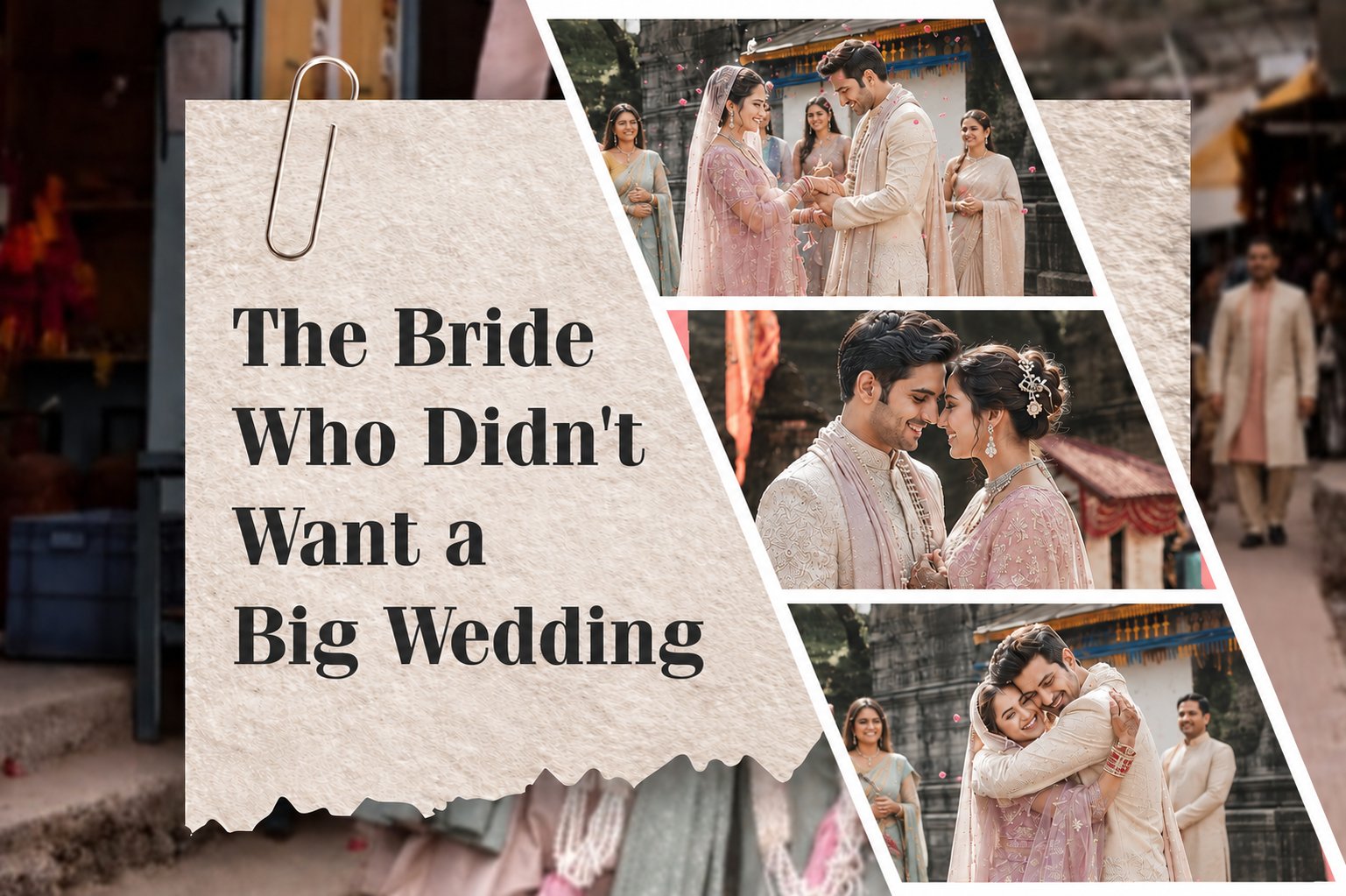
She had a list. She had a very specific, very reasonable list. Fifty people. One day, not three. No matching outfits for the extended family. The mehendi at home, just the women she actually liked, with good food and bad dancing and nobody hired to document it.
A wedding that felt, to use the word she kept coming back to, like hers. Her mother-in-law wanted two hundred and fifty guests. Her mother pointed out, gently and then less gently, that some invitations had already been sent. Her father said he wasn’t spending thirty years building a career to not celebrate his daughter’s wedding properly.
This is the story of almost every bride who decides she doesn’t want a big wedding, and then finds out that “I don’t want a big wedding” is apparently a negotiating position.
The Era of Intimate Weddings
The micro-wedding movement includes intimate celebrations, small guest lists, the conspicuous absence of a baraat that blocks three neighbourhoods of traffic.
At wedding exhibitions like Wedding Asia, the conversations vendors are having have changed: more couples coming in asking not for more, but for better.
- How do we make fifty people feel like a party?
- How do we spend the budget on experience rather than scale?
It’s a legitimate question, and an interesting one, because the Indian wedding industrial complex is not naturally designed to answer it. The entire infrastructure including the banquet hall, the catering companies, the choreographed baraat, the three-day function schedule is built for volume.
Is Scaling Down Really the New Norm?
But the brides who have done it, who have held their ground, negotiated the fifty-person list up to eighty and called that a victory, who have had the wedding in a farmhouse instead of a five-star and not regretted it for one moment actually describe something consistent.
They remember it. All of it, every experience. Not just the mandap, not just the photographs, but the actual conversations they had that day with people they love. Enjoying a scrumptious meal at your own wedding is irresistible and now even possible. More so, the fact that when they looked out at the assembled guests, they knew every single face and could remember dancing to the group Bollywood number with the most important people in their lives.
That specificity is what gets lost when weddings get big. Not the beauty because we all know that big weddings can be extraordinarily beautiful. But the intimacy. The sense that this is about two people rather than about an event.
Are You the Bride Who Doesn’t Want a Big Wedding?
There is, of course, a class dimension to this that’s worth acknowledging. The bride who can say “I don’t want a big wedding” and have it heard, isn’t navigating a wedding as a community performance of status and prosperity that the bride is operating from a position of relative privilege.
For many families, the big wedding is not an excess. It’s obligation, reputation, the way community ties are honoured and maintained. Reducing it can feel like a snub to people who have been waiting to celebrate.
But what’s notable is how quickly the conversation shifts from “what will people think” to “what do we actually want.” And what a surprising number of couples, when they actually sit with that question, arrive at: something smaller. Something more real.
The New-Age Wedding Industry in 2026
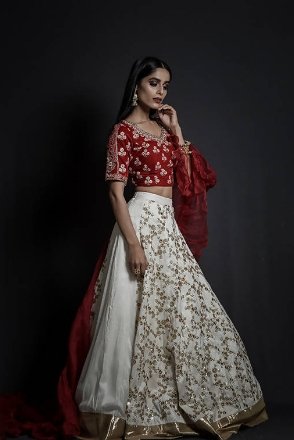
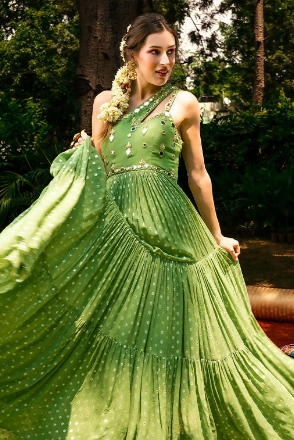
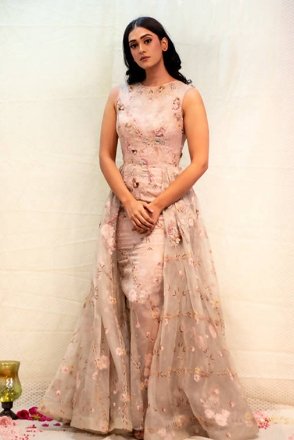
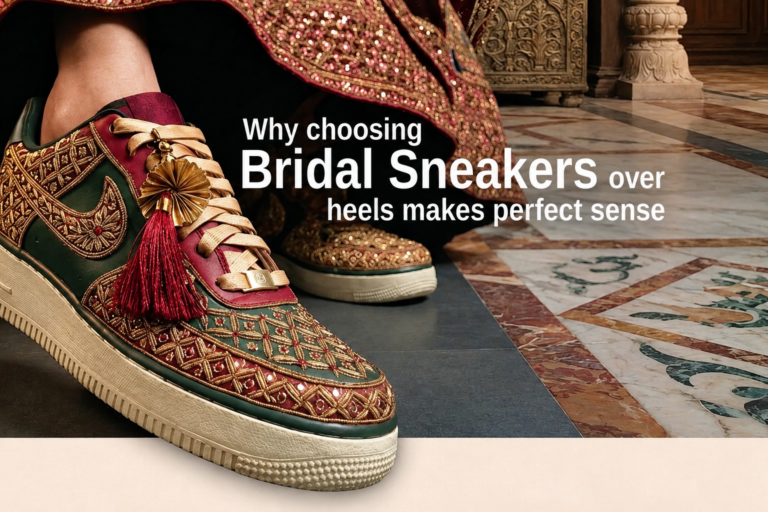
The wedding industry is responding, slowly. Designers are creating looks specifically intended for the bride who will be in a more intimate setting and outfits that don’t need a grand staircase entrance to read correctly, that look beautiful in natural light, that allow the woman wearing them to actually move and sit and embrace people all day.
Jewellery labels are thinking about pieces that feel special without being theatrical. At Wedding Asia this season, that bride is there. She might be harder to spot than the one planning the 400- person extravaganza, but she’s there, asking different questions. She wants everything she’s paying for to have a point.
From florist to caterers, the memo for everyone is literally the same: keep it light but classy. She might not need rose gold chandeliers but a fresh backdrop made from beautiful, bright lilies. She doesn’t need a full-fledged daawat but an intentional menu that reaches hearts not just the stomach. She probably likes fusion foods including naan bruschetta, live tiramisu, samosa salad and pav bhaji fondue.
These brides are setting new wedding goals.
That’s the bride who didn’t want a big wedding. She didn’t end up with exactly what she wanted, probably.
Nobody does.
But she showed up for her own wedding in a way that brides who outsourced the whole thing to a stylist and an event planner sometimes don’t.
And she remembered every single person who was there. She remembers having the best time of her life during her most special moment.